


 Español
 Portugues
 Français
 Italiano
 Nederlands
 Polski
 Română
 lietuvių
 Hrvatski
Breaker Hydraulic
A hydraulic breaker is a powerful percussion hammer fitted to an excavator, skid steer, or backhoe loader and used for demolition and rock breaking. It converts hydraulic power from the carrier machine into mechanical energy to deliver rapid, high‐impact blows to concrete, rock, or other hard materials. This attachment is widely used in construction, quarrying, mining, roadwork, and urban renovation projects where controlled breaking and high productivity are required.The core structure typically includes a housing, hydraulic cylinder, piston, tool (chisel, moil, or blunt), valve system, and nitrogen gas chamber. Pressurized hydraulic oil flows from the carrier into the breaker, driving the piston back and forth. As the piston accelerates and strikes the tool, energy is transmitted directly into the material being broken. Many designs use a combination of hydraulic oil and nitrogen gas to store and release energy efficiently, increasing impact power while reducing overall oil consumption.Different tool shapes are selected based on the application. A moil point is suited for general rock breaking, trenching, and foundation work. A flat or blunt tool is often preferred for concrete slabs and pavement, where spreading impact over a larger area improves productivity. Chisel tools are used to create controlled fractures or channels in reinforced concrete or rock. Quick‐change tool systems allow operators to adapt the breaker rapidly to varying site conditions.Modern hydraulic breakers place emphasis on durability, noise reduction, and operator comfort. Heavy‐duty wear plates, robust bushings, and efficient lubrication systems extend service life and reduce downtime. Noise‐ and vibration‐dampened housings help meet strict urban regulations and protect the operator from excessive exposure. Some models feature automatic greasing, anti‐blank‐fire systems that prevent damage when operating without load, and energy‐recovery functions that use recoil energy to enhance the next blow.Proper matching of breaker size to the carrier is critical. Operating a unit that is too large can overstress the excavator boom and hydraulics, while an undersized unit will be inefficient and may suffer premature wear. Key selection criteria include carrier weight, hydraulic flow and pressure, required impact energy, and the type and hardness of the material. Correct working technique—maintaining proper tool angle, constant downforce, and avoiding prying—also has a major influence on performance and lifespan.Routine maintenance is essential for safe and reliable operation. Regular inspection of tools, bushings, hydraulic hoses, and mounting pins helps identify wear before it causes failures. Using the correct hydraulic oil, maintaining clean filtration, and following specified service intervals ensure stable power delivery and consistent impact performance. When selected, operated, and maintained correctly, a hydraulic breaker significantly increases the efficiency of breaking and demolition tasks across a wide range of industries.
Products
Category:
-
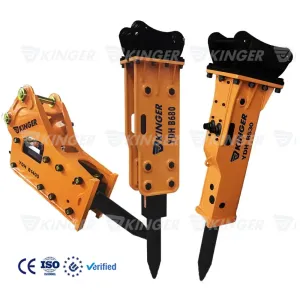
Hydraulic Breaker
Category: Construction machineryBrowse number: 705Number:Release time: 2026-02-27 16:46:33Categories: Construction machinery
News
Category:
blog
-
[blog]Industrial Sweeping brush machinery Most Trusted Manufacture...
2026-03-10 09:14:38 -
[blog]Sweeping brush machinery Trusted Wholesale Manufacturers and...
2026-03-27 10:25:53 -
[blog]Industrial Construction machinery Trusted Wholesale Manufact...
2026-04-05 08:23:00
Case
Category:
No search results found!
Video
Category:
No search results found!
Download
Category:
No search results found!
Job
Category:
No search results found!
Featured Products
No search results found!



 WhatsApp
 Phone
Phone